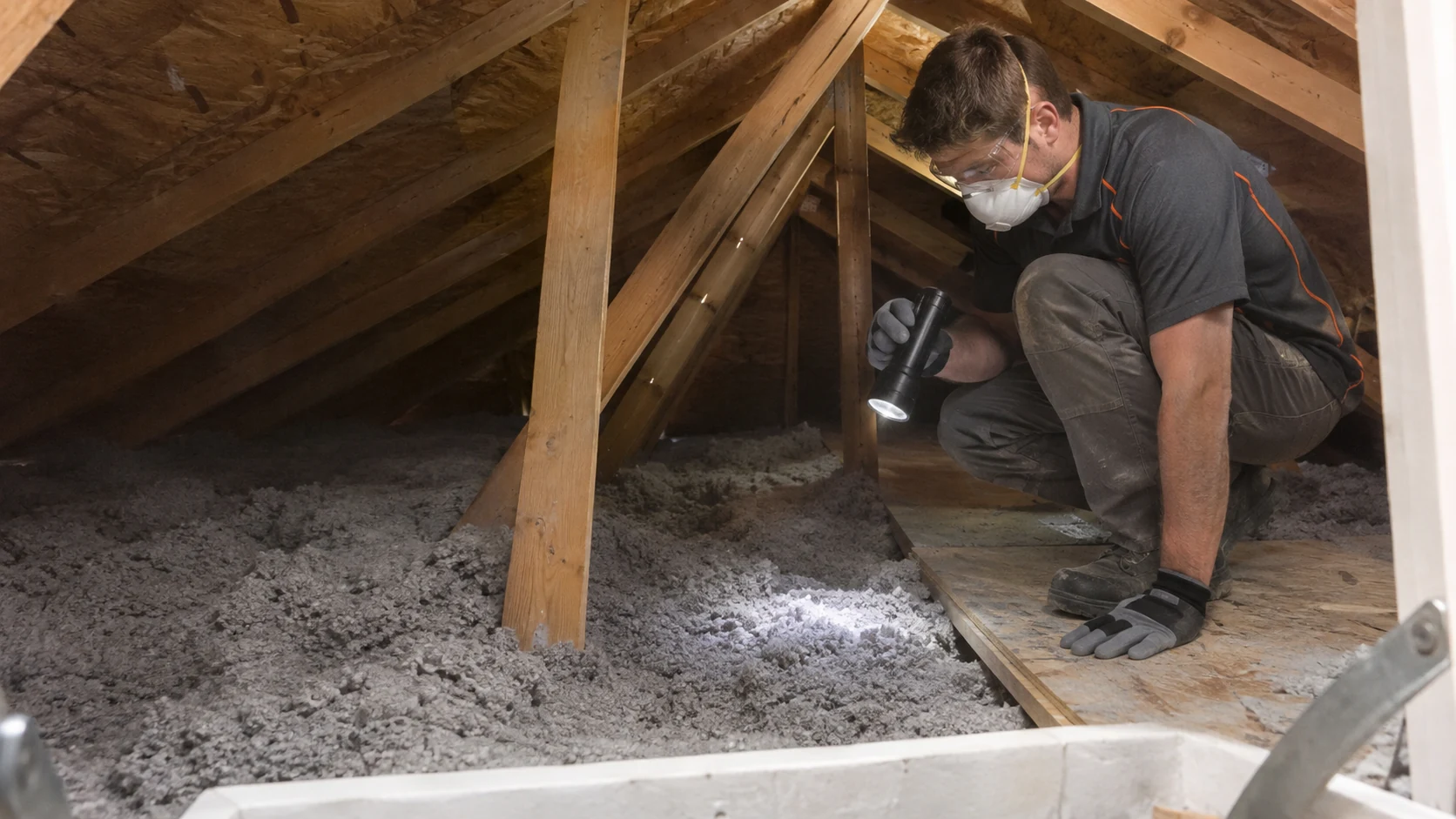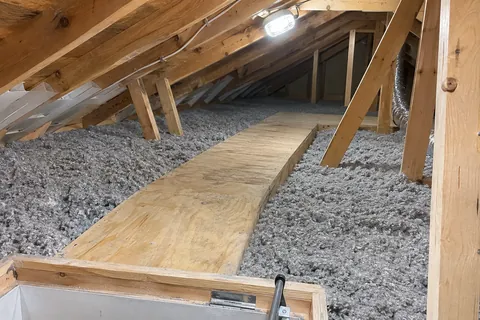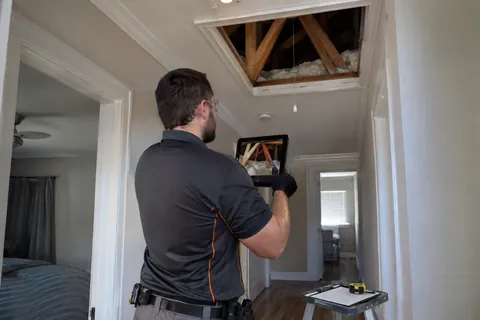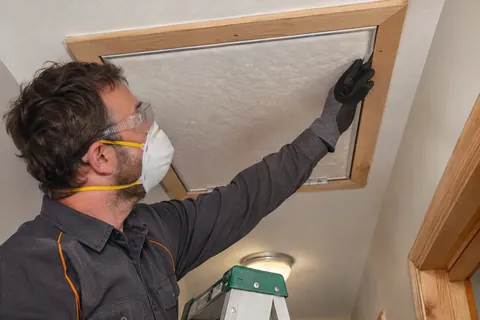
A technician checking attic insulation beside a raised walkway.
Attic Insulation

Attic Insulation for Houston-Area Homes

A more comfortable home starts with understanding what is happening above the ceiling. Blount Construction Group helps homeowners plan attic insulation work with a clear scope, a written price, and an accountable point of contact.

Know what your attic needs before any work starts: an assessment, a written scope and price, and one point of contact through handover.

Request an Attic Assessment

Tell us what you are noticing and where the home is located. We will follow up to discuss your request.

We need a phone number or an email so we can reply.

Text messages (optional)

Both boxes are optional. Prefer not to get texts? Leave them unchecked and we'll email you instead. Privacy Policy · Terms of Service

It takes about a minute. Our team will contact you using the details you provide.

  • Service-disabled veteran-owned
  • Woman-owned
  • Written scope & price
  • Local lines open 7:00 AM – 11:00 PM, every day

Start with the attic you have

Thin coverage, disturbed insulation, and uncomfortable rooms can raise questions about whether an upgrade is worthwhile. The first step is to assess the existing conditions and identify what belongs in the project. Explore the local pages below for practical answers and an easy way to request an assessment.
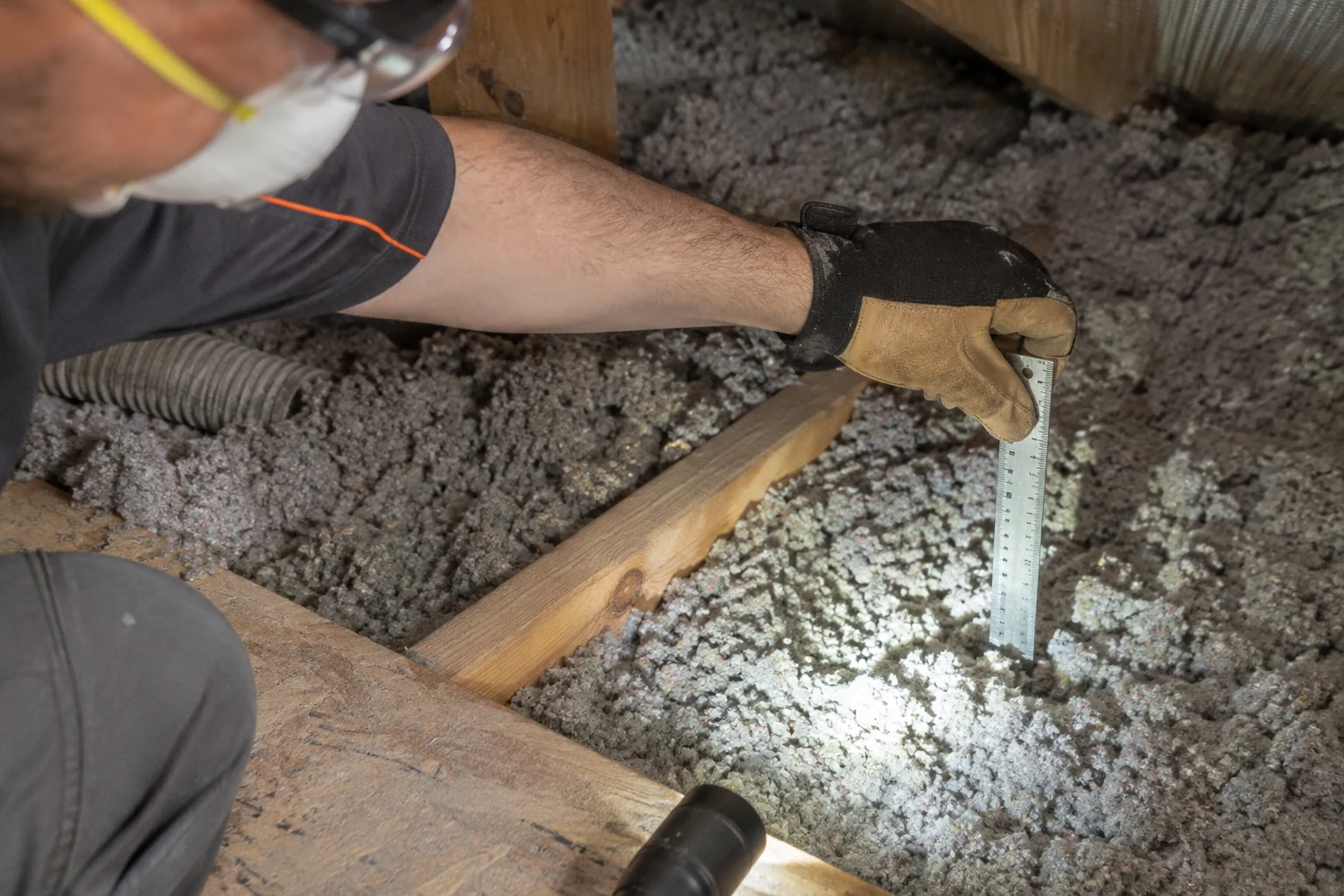
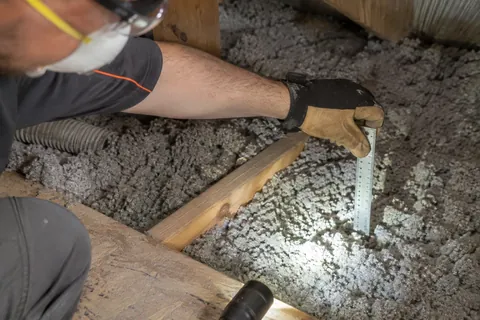
Insulation depth being measured beside an attic joist.

Choose your local insulation page

How it works

From first call to handover

  1. 1

    Request an assessment

    Use the form or call your local insulation line.

  2. 2

    We look at the attic

    We review the existing insulation, access and the concern that brought you here.

  3. 3

    Get a written scope and price

    See what is included and excluded before you approve anything.

  4. 4

    Work and handover

    The agreed work is done, then reviewed with you at handover.
What we do

Services we offer

  • Blown-in attic insulationLoose-fill fiberglass or cellulose blown across the attic floor to the depth set in your written scope.
  • Batt and roll insulationFiberglass or mineral wool batts fitted between joists, rafters and studs.
  • Spray foam insulationOpen- or closed-cell foam applied to rooflines, walls and hard-to-reach areas.
  • Insulation removal and replacementOld, damaged or contaminated insulation taken out before new material goes in.
  • Attic cleaning and sanitizingDebris and rodent droppings cleared out and the attic sanitized before it is re-insulated.
  • Rodent proofingEntry points in the attic and roofline sealed to keep rodents out.
  • Radiant barrierReflective foil installed under the roof deck as part of the attic plan.
  • Air sealingGaps around top plates, wiring, plumbing and light fixtures sealed before insulation goes down.
  • Attic ventilationIntake and exhaust vents checked, then added or corrected where the attic needs them.
  • Attic fansPowered or solar attic fans installed where they fit the ventilation plan.
  • Duct sealing and insulationLeaky duct joints in the attic sealed and ductwork wrapped in insulation.
  • Attic hatch and stair insulationAttic hatches, pull-down stairs and access doors insulated and weatherstripped.
  • Wall insulationInsulation for open walls during a renovation, or added to closed walls where the wall allows it.
  • Crawl space insulationInsulation and vapor barriers for the crawl space under the home.
  • Home energy assessmentA look at the attic and the home to find where insulation and air leaks need attention.
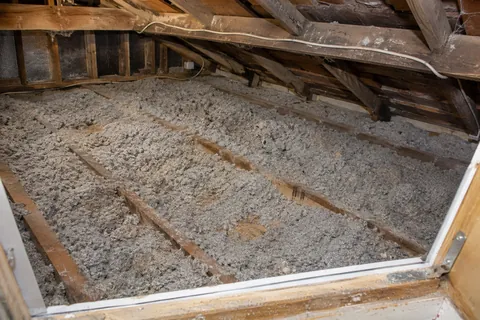
  • Uneven existing insulation around wooden attic joists.
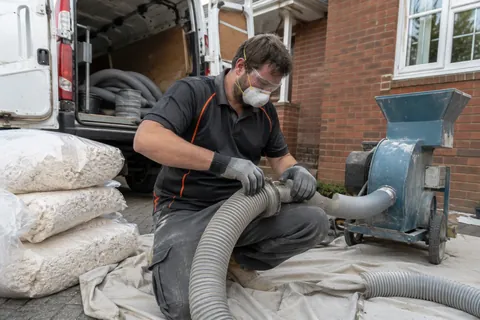
  • Insulation equipment and bagged material prepared beside a work van.
  • Insulation depth being measured beside an attic joist.
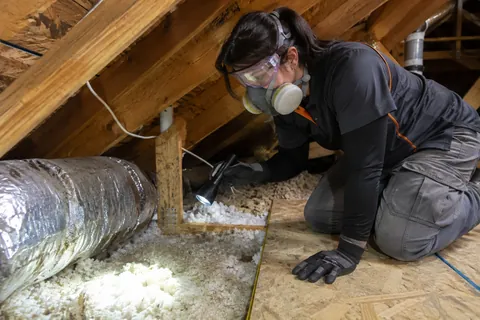
  • A technician inspecting insulation coverage near attic ductwork.
  • An insulation scope being discussed at a kitchen counter.
  • Even loose-fill attic insulation beside a clear service walkway.
  • A technician recording attic conditions on a tablet.
  • A technician reviewing attic completion photos with a homeowner.
  • Weatherstripping being checked around an attic access hatch.
An insulation scope being discussed at a kitchen counter.

Clear recommendations. A defined scope.

You should know what is being proposed before work begins. Ask about the existing material, the recommended insulation approach, any preparation needed, and how the completed work will be reviewed. Your estimate should explain the included work and any exclusions.

Tell us what you want to improve

Share your ZIP code and the concern that brought you here. We will help identify the appropriate insulation contact.